 Believe
Last updated
The short answer: EMDR can help many people with phobias, especially when the fear is linked to a past experience, such as being bitten by a dog or having a frightening flight. It works on the memory behind the fear, so you do not have to face the thing you fear in real life straight away.
Does EMDR work for phobias? I hear this often from people in Stockton-on-Tees and across Teesside who feel trapped by a fear they know is out of proportion. Whether it is flying, spiders, needles, vomiting or social situations, a phobia can make your world smaller. Exposure-based therapy can be very effective, but for some people the idea of facing the fear directly feels too much. EMDR offers a different route.
Phobias linked to a past experience
Many phobias are connected to a frightening experience that the brain has not fully processed. A fear of dogs might go back to being chased as a child. Even if you do not consciously remember the event, your nervous system may still react as though it is happening again, triggering the same fight or flight response.
EMDR uses its eight-phase protocol, including bilateral stimulation such as eye movements or taps, to help the brain process that original memory. The aim is for your body to register that the event is over and that you are safe now.
“EMDR does not just teach you to manage the fear. It works on the memory that is driving it.”
Phobia and anxiety support in Teesside
More complex fears
EMDR can also be used for more complex fears, such as emetophobia (fear of vomiting) or social anxiety. These are often tied up with feelings of shame or losing control. EMDR works with the negative beliefs that sit underneath, such as “I am powerless” or “I am not safe”, and helps them shift towards something more balanced, like “I can handle this”.
We always spend time on preparation first, so you have ways to calm your body and feel in control before any processing begins. You set the pace, and you can pause at any time.
EMDR or CBT for phobias?
CBT with gradual exposure is a well-established treatment for phobias and works well for many people. It usually involves practising facing the fear between sessions. Some people find EMDR less daunting, because the work happens with the memory in the therapy room rather than with the feared situation in real life, at least at first. Neither is right for everyone. As an HCPC Registered professional, I will talk through which approach is likely to suit you.
Phobia treatment in Teesside
Many people live with a phobia for years before looking for help, often because they assume it is just how they are. If a fear of flying, needles, driving, dogs or being sick is starting to shape your choices, EMDR may help it lose its grip.
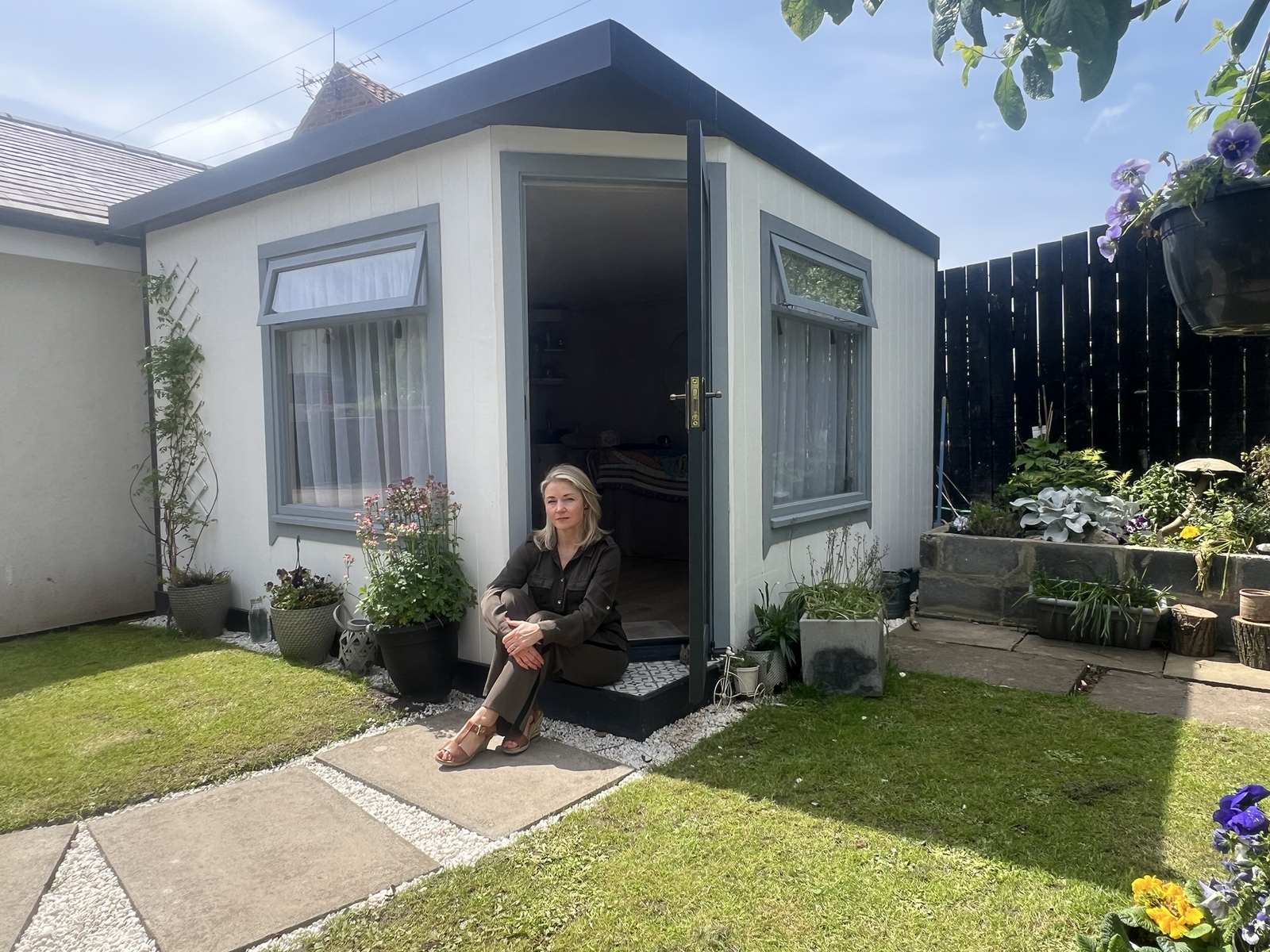
I see people for phobias at my private garden practice in Billingham village, with clients coming from Middlesbrough, Stockton-on-Tees, Hartlepool and across Teesside. We start with a free 15-minute call to talk about the fear and whether EMDR is a good fit.
Conclusion
So, does EMDR work for phobias? For many people, yes, particularly when the fear is linked to an earlier experience. It does not work the same way for everyone, but it can be a real option if you have been avoiding help because exposure therapy feels too much.
Find out if EMDR could help your phobia
Book a free 15-minute consultation from the Billingham practice, serving Stockton-on-Tees, Middlesbrough, Hartlepool and Teesside.
We can begin gently
You do not have to explain everything perfectly. A short first conversation is enough to start.