 Believe
Last updated
The short answer: your first EMDR session is mostly about getting to know each other. We talk about what is happening for you now, what you would like to change and whether EMDR is the right fit. There is no trauma processing in the first session, and you will not be asked to go into detail about anything you are not ready to share.
Booking therapy for the first time can feel like a big step, especially if you are not sure what will happen when you walk through the door. People often tell me the waiting and wondering was harder than the session itself. So here is an honest picture of what your first EMDR session at Believe EMDR is like, and what happens after it.
Before you book: a free 15-minute call
Most people start with a free 15-minute consultation by phone. It is a chance to tell me a little about what is going on, ask any questions and get a feel for whether we would work well together. There is no pressure to book anything at the end of it.
Arriving at the practice
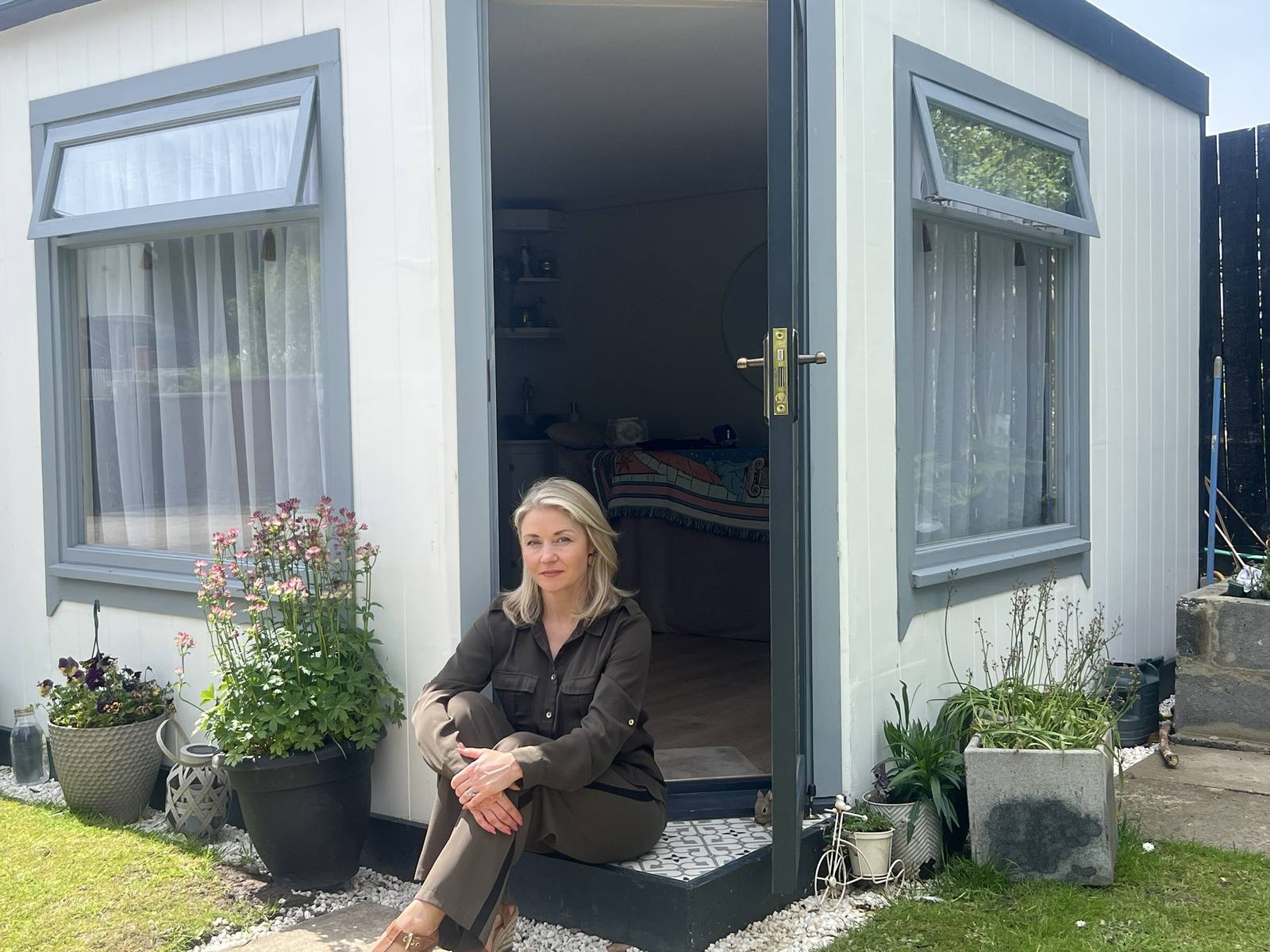
Sessions take place in a private garden practice in Billingham village, with off-road parking. It is a calm, quiet room rather than a clinical one. You do not need to bring anything, and you are welcome to bring a drink or anything that helps you feel comfortable.
What we talk about in the first session
EMDR follows a recognised eight-phase structure. The first session covers the first phase, which is called history taking. In plain terms, we talk about:
- What is bringing you to therapy now, and how it is affecting your sleep, work, relationships and day-to-day life.
- What you would like to be different, and what feeling better would look like for you.
- A broad outline of your history. You do not need to describe painful events in detail. A word or a sentence is often enough at this stage.
- What already helps you cope, and what support you have around you.
You stay in control of what you share. If something feels too much, we slow down or move on.
“Many people worry they will be asked to relive everything straight away. That is not how EMDR works. Safety and preparation come first, and we only move into processing when you feel ready.”
More about EMDR at Believe
What happens in the sessions after that
The next phase is preparation. We build tools to help your body settle when it feels stressed or overwhelmed, such as grounding and a calm-place exercise. I will also explain bilateral stimulation, which is the part of EMDR people have usually heard of. It can be eye movements, gentle taps or sounds that alternate from side to side.
For some people, preparation takes one or two sessions. For people with longer or more complex histories, it can take longer, and that is a good thing. Processing works best when your nervous system has enough steadiness to support it.
How you might feel afterwards
After a first session most people feel relieved, sometimes tired. Once processing begins, it is normal to notice memories, dreams or feelings coming up between sessions. I will talk you through what to expect and what to do if that happens, so it does not catch you off guard.
Common questions
Will I have to talk about my trauma in detail? No. EMDR does not need a detailed account of what happened.
Is it like hypnosis? No. You are awake, aware and in control throughout, and you can stop at any time.
How long is a session? Sessions are 60 or 90 minutes. You can see the options on the fees page.
Start with a free 15-minute call
Ask anything you like before deciding. You do not need to have the right words.
We can begin gently
You do not have to explain everything perfectly. A short first conversation is enough to start.